Athip House Pai Local Team
Updated June 1, 2026 · 12 min read
Why 3 Days in Pai is the Perfect Introduction
Three days gives you just enough time to experience the magic of Pai without rushing. This small mountain town in Mae Hong Son province has a way of capturing hearts — many travelers who plan to stay two days end up staying two weeks. We've lived here for years, and this itinerary reflects the Pai we know and love: authentic, beautiful, and unhurried.
Day 1: Temples, Viewpoints & the Walking Street
Morning: Wat Phra That Mae Yen
Start your first day with a short but rewarding hike up to Wat Phra That Mae Yen, perched on a hill east of town. The 30-40 minute climb takes you through forest and past small shrines. At the top, a massive white Buddha overlooks the entire Pai valley — the panoramic views are especially stunning in the morning light when mist still clings to the mountains.
Getting there: From the center of Pai, cross the Pai River and follow the road east. The trailhead is clearly marked. Go early (before 9 AM) to beat the heat.
Afternoon: Pai Canyon (Kong Lan)
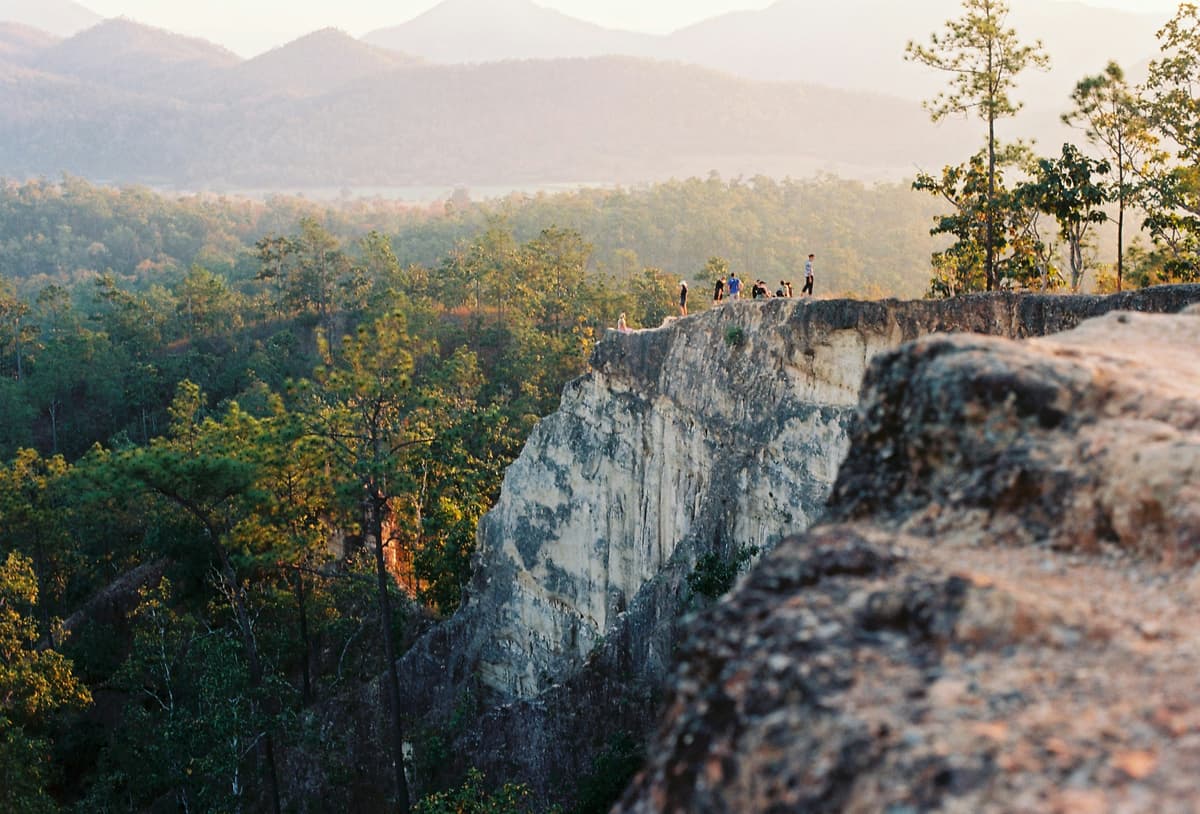
Head to Pai Canyon in the late afternoon — about 20 minutes south of town by motorbike. The narrow red-earth ridges drop steeply on both sides, creating dramatic walking paths with incredible valley views. It's not technically a canyon but a series of sandstone formations eroded over thousands of years.
The paths can be narrow and steep in places, so wear proper shoes. If you're afraid of heights, some sections may feel challenging, but the main viewing platforms are accessible to everyone.
Evening: Pai Walking Street
Every evening from about 5 PM, Pai's main road transforms into a vibrant Walking Street Night Market. This is where locals and travelers come together over food, crafts, and live music. You'll find:
- Khao Soi — Northern Thailand's famous coconut curry noodles (฿50-80)
- Pai-style grilled fish — fresh from local streams
- Mango sticky rice — the best you'll find anywhere
- Homemade soaps, silver jewelry, and woven bags — great souvenirs made by local hill tribe communities
- Live acoustic music — Pai has a surprisingly good music scene
Take your time here. Grab a pad thai, find a spot on a bench, and just soak in the atmosphere. This is Pai at its most authentic.
Day 2: Waterfalls & Hot Springs
Morning: Mo Paeng Waterfall
Mo Paeng Waterfall is the most accessible of Pai's waterfalls, about 8 km from town. The three-tier cascade flows over smooth rock into natural pools perfect for swimming. The hike from the parking area takes about 20 minutes through bamboo forest.
The waterfall is most impressive during and just after the rainy season (June-October). During the dry season (December-April), the flow reduces but the natural swimming pools remain refreshing.
Afternoon: Sai Ngam Hot Springs
Tucked away in the forest about 10 km from Pai, the Sai Ngam Hot Springs (also called Tha Pai Hot Springs) offer a deeply relaxing natural spa experience. The hot mineral water flows from underground into several pools of varying temperatures. Surrounded by bamboo and tropical forest, it feels like a hidden oasis.
Entry fee: ฿200 for foreigners. Tip: Go in the morning when it's quieter. Bring a towel and swimsuit.
Late Afternoon: Pam Bok Waterfall
If you still have energy, Pam Bok Waterfall is a beautiful 30-meter cascade nestled in a narrow gorge. It requires a short hike through jungle terrain, but the dramatic setting — with water plunging into a deep pool surrounded by mossy rock walls — is absolutely worth it.
Evening: Dinner by the River
After a full day of nature, treat yourself to dinner at one of Pai's riverside restaurants. Bebop II offers great Thai food with live jazz, while Good Life serves excellent healthy fare in a beautiful garden setting along the Pai River.
Day 3: The Countryside Loop
Morning: Bamboo Bridge (Kew Lom Viewpoint)
Start your final day at the Bamboo Bridge (also called Kew Lom), a 1 km wooden walkway that crosses rice paddies and a river to connect the main road with a remote hillside temple. The bridge itself is rebuilt each year after the rainy season by local villagers — it's a beautiful example of community craftsmanship. The reflections in the flooded rice fields during the growing season (July-October) are spectacular for photography.
Midday: Lod Cave (Tham Lot)
About 45 minutes from Pai, Lod Cave is one of Northern Thailand's most impressive cave systems. You enter by bamboo raft, floating down an underground river into massive limestone chambers filled with stalactites and stalagmites. Local guides lead you through the cave with lanterns, pointing out rock formations that resemble animals and mythological figures.
Cost: Guide fee around ฿150-300 per group plus ฿150 per person for the bamboo raft. Allow 1.5-2 hours for the full tour.
Afternoon: Memorial Bridge
On the way back from Lod Cave, stop at the Memorial Bridge (Saphan Prawatsat Pai), a steel bridge built by the Japanese army during World War II. It's a peaceful spot for photos, especially with the river and mountains as a backdrop. The small museum nearby provides historical context.
Sunset: Yun Lai Viewpoint
End your 3 days at Yun Lai Viewpoint, one of Pai's most breathtaking sunset spots. From the viewing platform, you can see the entire Pai valley spread out below — rice fields, the winding Pai River, and mountains stretching to the horizon. On clear days, the colors at sunset are absolutely stunning.
Entry: ฿20. Bring a jacket — it can get cool at the viewpoint in the evening.
Budget Breakdown for 3 Days
| Item | Estimated Cost (฿) |
|---|---|
| Motorbike rental (3 days) | 600-750 |
| Accommodation (3 nights) | 900-4,500 |
| Food & drinks | 900-1,500 |
| Attractions & entry fees | 400-600 |
| Hot springs | 200 |
| Lod Cave tour | 300-450 |
| Total (excluding accommodation) With accommodation (budget) With accommodation (mid-range) | 2,400-3,500 3,300-4,250 5,400-8,000 |
Essential Tips for Your 3 Days
- Best time to visit: November to February for cool, dry weather. March-May is hot season. June-October is green season (rainy but beautiful).
- Getting around: Motorbike is king in Pai. If you can't ride, hire a songthaew or join a day tour.
- Cash: Bring enough cash. ATMs in Pai sometimes run out. Most markets and small shops are cash-only.
- Respect: Dress modestly at temples (shoulders and knees covered). Always ask before photographing locals or hill tribe villagers.
- Slow down: Pai rewards those who don't rush. Leave room in your itinerary for spontaneous discoveries.
Stay at Athip House Pai
Your peaceful mountain retreat in the heart of Pai
- Quiet location surrounded by mountains and rice fields
- Just 2.3 km from Pai town center
- Free high-speed WiFi — perfect for remote work
- Shared kitchen, private bathroom, air conditioning
- Special monthly rates for long stays
Frequently Asked Questions
Continue Reading
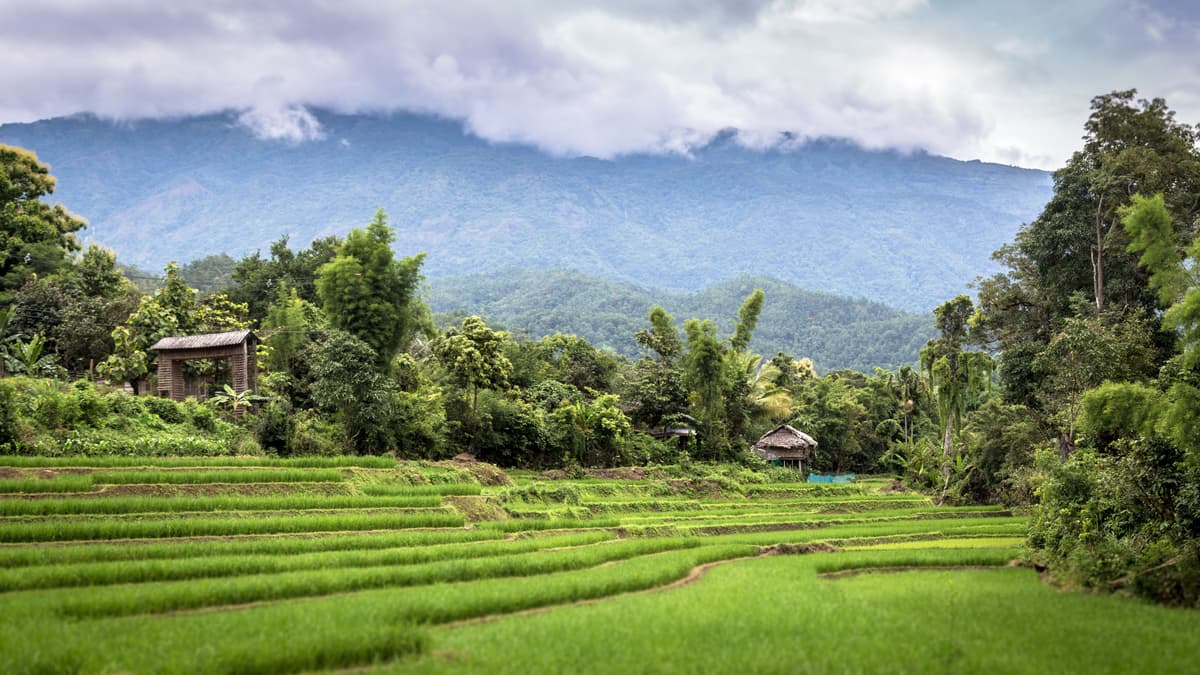 Travel Info
Pai Weather Guide: Best Time to Visit & Season-by-Season (2026)
Complete guide to Pai's weather — when to visit, what to expect each season, temperature ranges, and month-by-month breakdown for planning your trip.
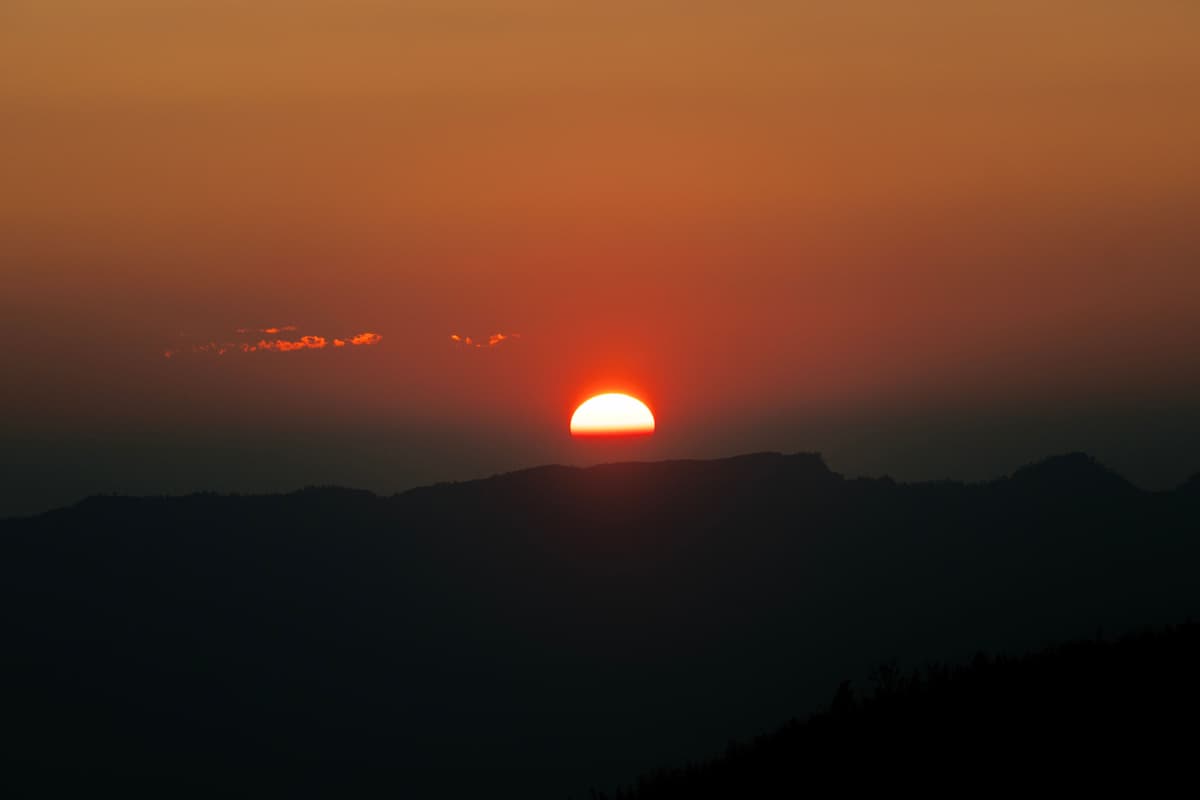 Nature
11 Best Sunset Spots in Pai (Local's Guide 2026)
Discover Pai's most magical sunset viewpoints — from famous spots like Yun Lai to secret locations only locals know. Includes how to get there, best time to arrive, and photography tips.
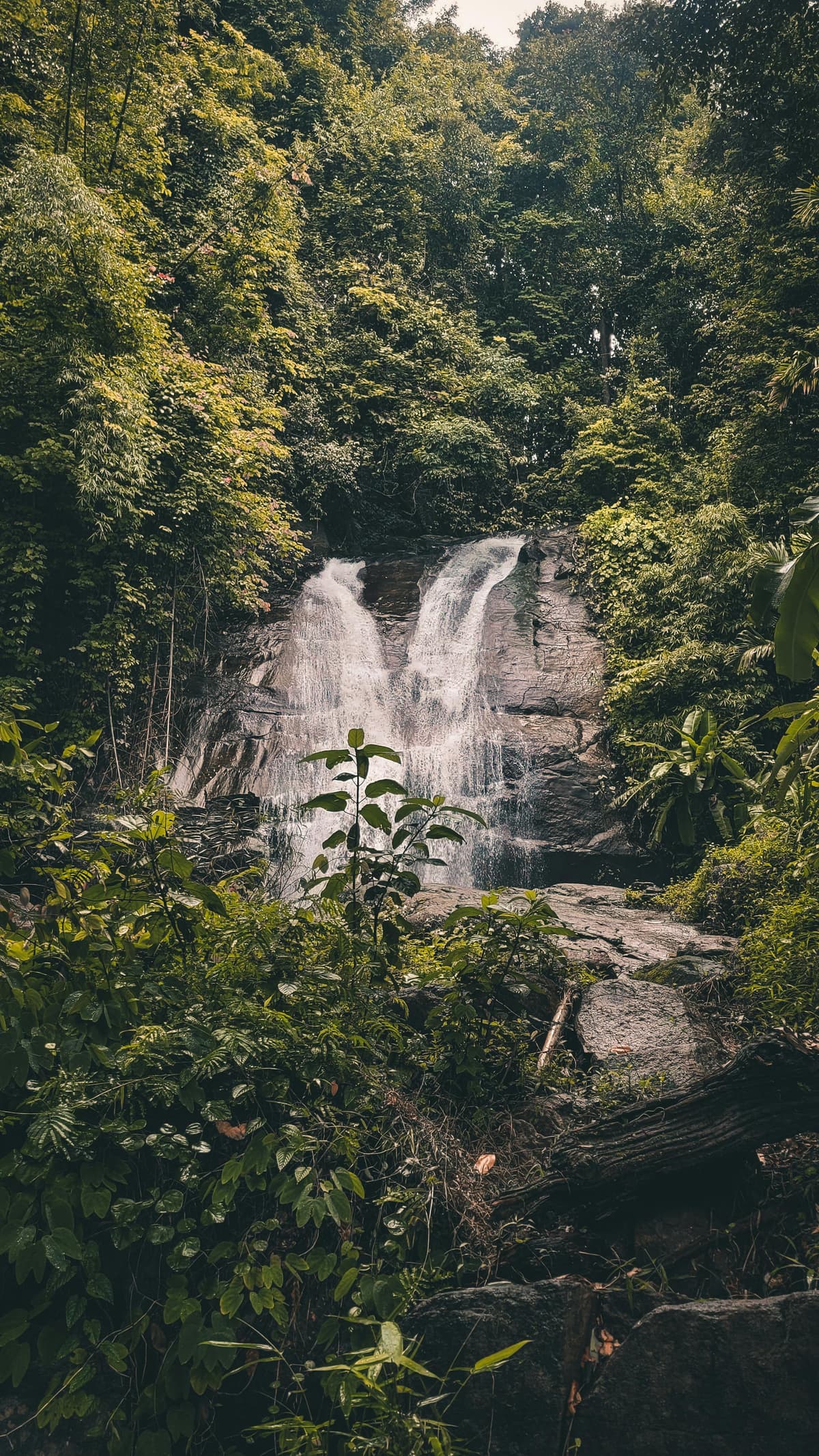 Nature
The 7 Best Waterfalls in Pai (Local's Guide 2026)
Discover Pai's most beautiful waterfalls — from the popular Mo Paeng to hidden gems only locals know. Includes how to get there, best time to visit, swimming info, and costs.